
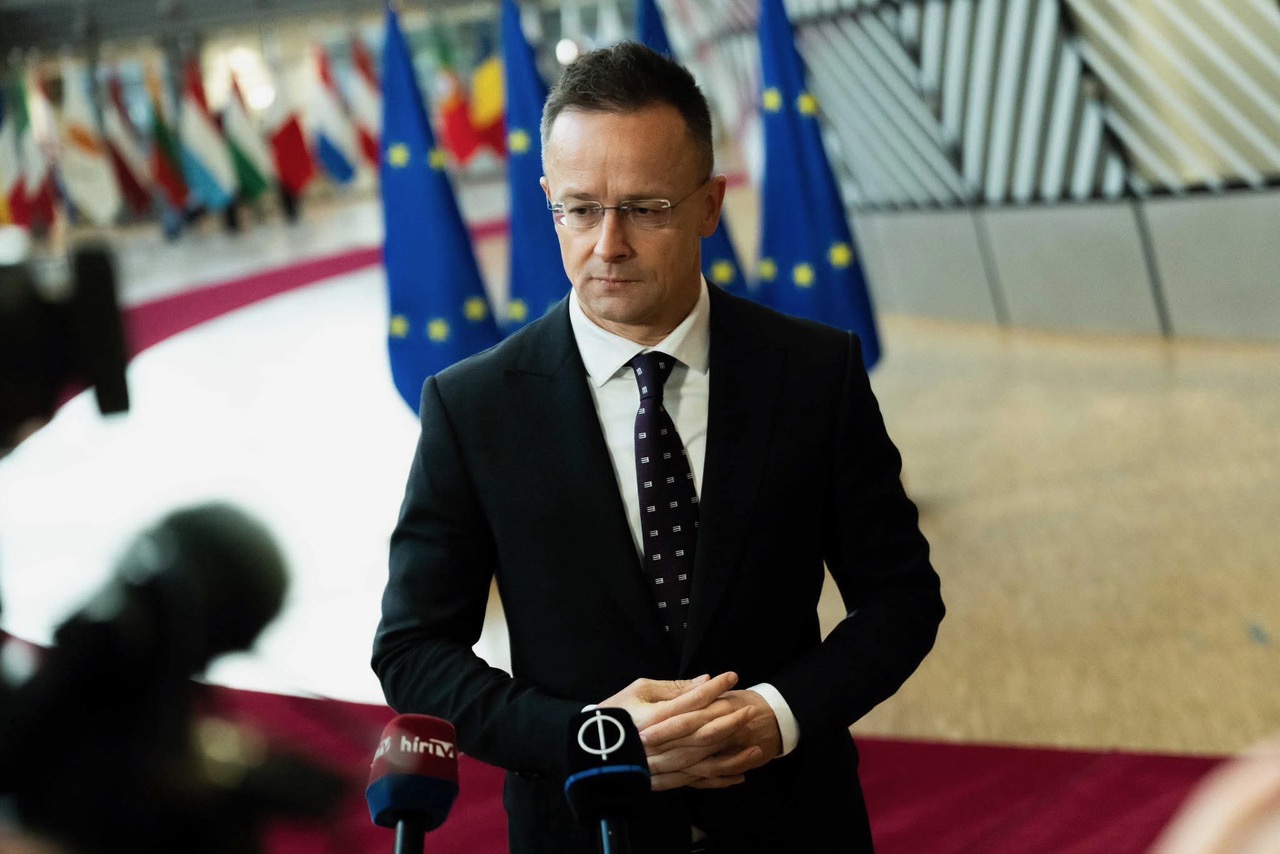
Hungary’s election campaign is now being shaped by rival claims of foreign interference from opposite directions. On one side, a Washington Post investigation alleged that Russian intelligence discussed ways to help Prime Minister Viktor Orbán, including channels into Hungarian decision-making and even a proposal for a staged attack to reshape the campaign. On the other, Orbán’s government continues to argue that Ukraine is trying to influence Hungary’s April vote. What is established is that both narratives are now central to the campaign. What is not established in public is conclusive proof of the full operational scope of either alleged interference effort inside Hungary.
Washington Post allegations place Moscow-linked influence at the center of the campaign
The most serious new allegation came from the Washington Post, which reported that Western intelligence officials and an internal document they reviewed indicated that Russia’s foreign intelligence service had considered extraordinary measures to help Orbán remain in power. The report also said the Kremlin had deep political and intelligence interests in Hungary and alleged that Foreign Minister Péter Szijjártó had, for years, given Moscow insight into closed-door EU discussions. The paper framed this as intelligence-based reporting, not as a judicially proven fact.
Budapest rejected the story outright. Szijjártó described the report as “preposterous conspiracy theories” and dismissing it as nonsense spread by “Ukrainian propaganda media” and their Hungarian partners. That is the official government line: total denial, not partial qualification.
Opposition reactions have been very different. Government critics have used the report to reinforce a broader argument that Orbán’s Russia policy has gone beyond pragmatism and created dangerous political dependence. That political interpretation, however, goes further than the publicly available evidence. Alleged plot against Orbán shifts the dispute from influence to security
The most explosive element of the Washington Post report was its claim that a unit within Russia’s SVR discussed staging an assassination attempt against Orbán in order to reframe the election around national security rather than economic dissatisfaction. The paper said this appeared in a document authenticated by a European intelligence service. That is a major allegation, but it remains exactly that: a reported intelligence claim, not evidence of an attack that actually took place.
The government reacted by folding the allegation into its broader political message. Szijjártó publicly dismissed it, while pro-government communication portrayed the story as foreign-backed disinformation aimed at destabilizing Hungary before the election. Opposition voices, by contrast, treated the report less as proof of an imminent plot than as further evidence of how valuable Orbán is to Moscow politically. Those are two sharply different readings of the same report, but neither changes the underlying evidentiary limit: the claim is serious, yet still publicly unproven beyond the intelligence-based reporting.
Budapest points to Ukrainian meddling as the opposition sees campaign-driven escalation
At the same time, the Hungarian government has sustained its own narrative of Ukrainian interference. It was reported in January that Orbán said Hungary would summon Ukraine’s ambassador over what he described as Ukrainian attempts to meddle in the upcoming election. Ukraine rejected those accusations and, days later, summoned Hungary’s ambassador in Kyiv in protest over Budapest’s claims.
That line has since become part of the government’s campaign framing. Orbán has linked his opposition to EU support for Ukraine and his broader “war or peace” message to claims that Kyiv and Brussels want political change in Budapest.
The opposition argues that this is a politically useful escalation for Fidesz rather than a publicly demonstrated case of election interference. In practice, that means Hungary’s campaign is now running on two competing external-threat narratives at once: the government says Ukraine is interfering, while critics say the more credible risk comes from Russia.
Photo:Szíjjártó Péter/ Facebook