
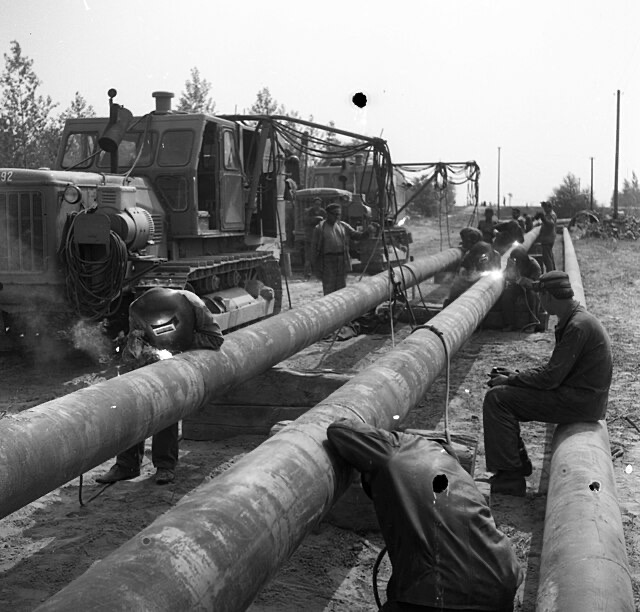
Central European governments are shifting from short-term crisis management to structural energy planning after the prolonged shutdown of the Druzhba oil pipeline exposed systemic vulnerabilities in regional supply. Measures taken in recent days by Slovakia, Hungary and the Czech Republic indicate that policymakers now treat the disruption as a sustained risk rather than a temporary interruption.
Emergency response and infrastructure shift
The most immediate pressure has been visible in Slovakia, where the government of Robert Fico introduced temporary limits on diesel sales and allowed higher prices for foreign drivers to protect domestic supply. Authorities have also begun using strategic reserves to stabilize refinery operations, signaling that supply constraints are already affecting the market.
At the same time, governments are moving beyond short-term fixes. Hungary and Slovakia have agreed to construct a new pipeline linking refineries in Százhalombatta and Bratislava, aimed at improving the transport of refined products such as diesel and gasoline. The Czech Republic is preparing to reverse flows in the Druzhba system toward Slovakia, which would allow oil deliveries from alternative routes if the outage continues.
These steps reflect a broader regional shift toward diversification and redundancy. Countries are strengthening interconnections, exploring maritime imports and reducing reliance on a single transit corridor.
Repairs under way, but uncertainty remains
The Druzhba disruption itself remains unresolved. Ukrainian authorities say the pipeline was damaged by a Russian strike on infrastructure in western Ukraine and that repairs are ongoing. Ukraine has accepted technical and financial support from the European Union to accelerate restoration.
President Volodymyr Zelenskyy said repairs could take around six weeks if no further attacks occur. However, the timeline remains uncertain, and oil flows have not yet resumed, leaving regional supply conditions under pressure.
Energy dispute extends into EU politics
The outage has evolved into a broader political issue. Hungary has linked the restart of oil transit to its position on key EU decisions, including financial support for Ukraine and sanctions on Russia. This has elevated the dispute beyond energy logistics and into the center of EU decision-making.
Slovakia has also emphasized the strategic importance of restoring flows, reinforcing a regional alignment on energy security concerns. The result is a convergence of technical, economic and political factors shaping the response.
A structural shift in regional energy policy
Taken together, recent developments point to a lasting shift in Central Europe’s energy strategy. Emergency controls, infrastructure investments and contingency planning are being implemented simultaneously, reflecting a more cautious and risk-focused approach.
The key issue is no longer whether disruptions can occur, but how long they will persist and how effectively alternative systems can compensate. Governments are preparing for prolonged instability, prioritizing resilience and flexibility as geopolitical risks continue to shape the region’s energy outlook.
Commonwiki/Fortepan/Tamás Urbán