
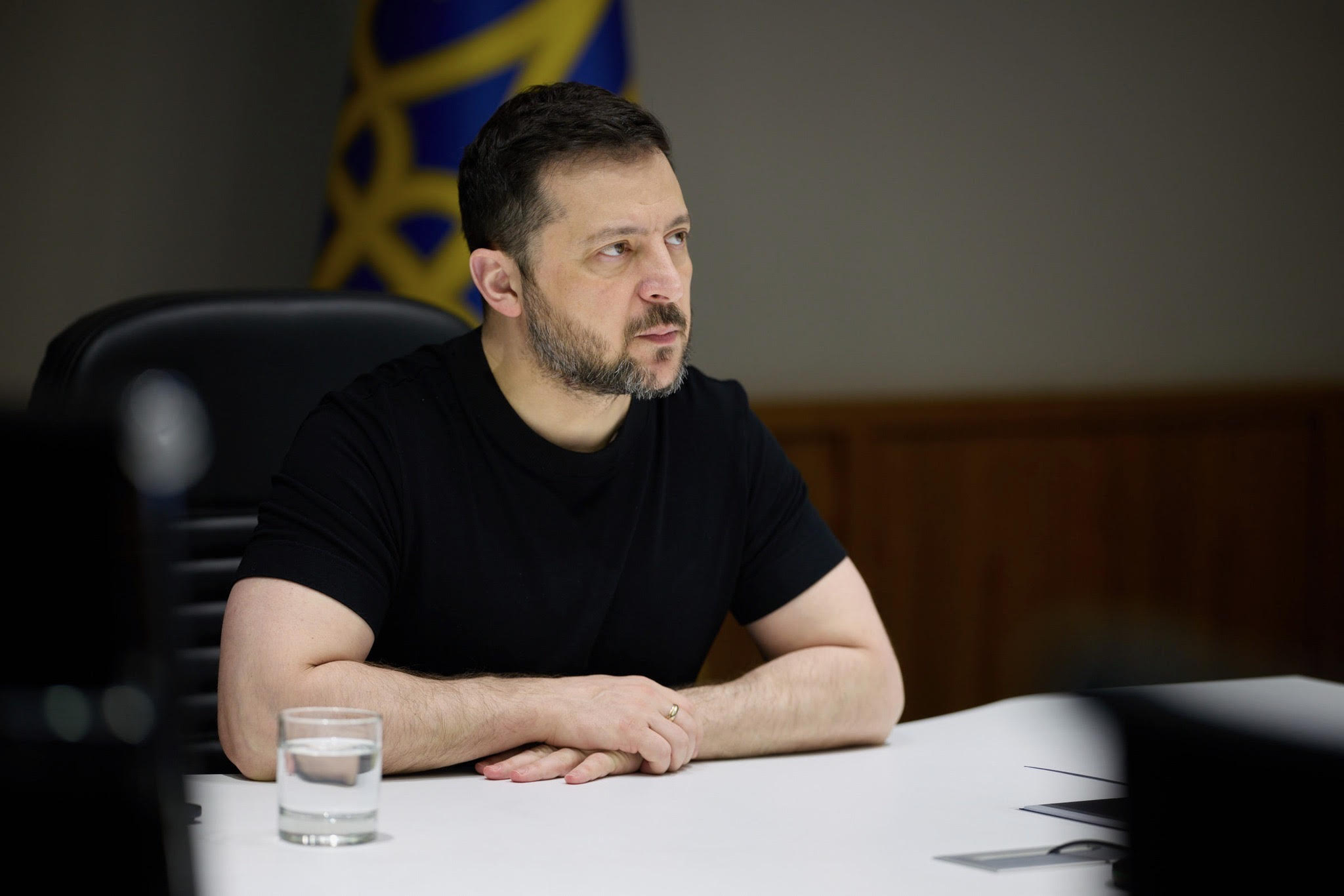
Tensions between Hungary and Ukraine have intensified after remarks by former Ukrainian official Hrihoriy Omelchenko and criticism from President Volodymyr Zelenskyy, bringing the dispute into both domestic politics and EU-level debate.
Omelchenko remarks trigger backlash
The immediate trigger was a statement by Omelchenko, who suggested Prime Minister Viktor Orbán should consider his family when shaping policy toward Ukraine. Hungarian officials interpreted the remarks as a threat, and Orbán said they targeted both him and his family.
The comments quickly became a political issue in Hungary, appearing in government communication and campaign messaging. At the same time, it remains clear that Omelchenko does not hold an official position, and there is no indication his statement reflects the Ukrainian government’s stance.
Zelenskyy criticizes Hungary’s EU role
In interviews with Politico and Die Welt, Zelenskyy accused Hungary of obstructing EU decisions related to Ukraine, including financial support and sanctions policy. He argued that such positions weaken European unity during the war.
Zelenskyy also stressed that Ukraine does not intend to influence Hungary’s domestic politics, framing the disagreement as political rather than interference.
Dispute enters Hungarian campaign narrative
The Hungarian government has incorporated the issue into its broader campaign narrative. Orbán framed the situation as a question of sovereignty, presenting it as a choice between national decision-making and external influence.
This framing connects the bilateral dispute to domestic political messaging, particularly in the context of the ongoing election campaign.
Broader context of tensions
The exchange reflects a longer-standing divide between the two countries. Hungary has taken positions within the EU that differ from the majority on issues such as sanctions and financial support for Ukraine, while Kyiv has criticized Budapest for delaying collective decisions.
The latest developments add a personal and rhetorical layer to an already strained relationship, with potential implications for both bilateral ties and EU-level negotiations.
Volodymyr Zelenskyy